

Forging Equipment
Your Professional Forging Equipment Supplier!
EO EQUIPMENT is a global supplier of high-quality industrial machinery and equipment, providing comprehensive solutions across construction, cleaning, machine tools, food processing, and packaging sectors. Backed by over 20 years of sourcing and export experience, we connect international buyers with trusted Chinese manufacturers to deliver efficient, customized solutions.


Specification
|
Weight of Falling Parts |
kg |
15 |
25 |
40 |
65 |
75 |
150 |
|
Maximum Hit Energy |
kJ |
0.16 |
0.27 |
0.53 |
0.9 |
1.0 |
2.5 |
|
Hit Frequency |
blows/min |
245 |
250 |
245 |
200 |
210 |
180 |
|
Frame Height |
mm |
160 |
240 |
245 |
280 |
300 |
370 |
|
Working Height |
mm |
140 |
200 |
235 |
270 |
280 |
350 |
|
Max Square Forging |
mm × mm |
30 × 30 |
40 × 40 |
52 × 52 |
65 × 65 |
65 × 65 |
130 × 130 |
|
Max Round Forging |
mm Ø |
Ø35 |
Ø48 |
Ø58 |
Ø65 |
Ø65 |
Ø145 |
|
Motor Power |
kW |
2.2 |
3.0 |
4.0 |
7.5 |
7.5 |
15.0 |
|
Machine Weight |
kg |
270 |
720 |
860 |
1900 |
2500 |
3260 |
|
Overall Dimensions (L × W × H) |
mm |
700×450×980 |
1100×500×1300 |
1265×640×1470 |
1380×846×1783 |
1480×800×1853 |
2390×1085×2150 |

- The primary advantage of forging equipment lies in their efficiency. By automating the striking process, these hammers increase productivity while reducing the physical strain on workers. This is particularly beneficial in high-volume settings where time and precision are crucial.
- Forging equipment offer better control over the force applied to the material, allowing for more precise results. This precision reduces waste and enhances the quality of the finished product.
- Another benefit is their versatility. With adjustments, forging equipment can be tailored to various tasks, from intricate blacksmithing to heavy forging, making them a versatile asset in any metalworking shop.
Mechanical Power Hammers: These tools are driven by an electric motor and use mechanical linkages to lift and drop the hammer. They are known for their durability and commonly used in traditional blacksmithing.
Pneumatic Power Hammers: Operated by compressed air, these hammers are smoother and easier to control than mechanical types. They also have variable hitting power and speed, which is essential for precision work.
Hydraulic Power Hammers:These machines use hydraulic systems to drive the hammer. They provide consistent force and are typically used for industrial-scale forging due to their power and efficiency.

Components of Forging Equipment
Anvil and Frame
The anvil provides a robust surface against which the metal is forged. By absorbing the impact of the hammer blows, it enables the shaping of the workpiece. The frame supports the anvil and the entire assembly of the forging equipment. It is typically made from heavy-duty steel to withstand the forces generated during operation and to maintain the alignment and functionality of all moving parts.
Hammer or Tup
The hammer, or tup, is the moving part that actually strikes the metal. It needs to be both heavy and durable to effect the deformation and forging of the metal workpiece. The design and weight of the hammer vary depending on the type of forging equipment and the specific tasks it is used for.
Drive Mechanism
The drive mechanism is how the force is generated and transferred to the hammer. In mechanical forging equipment, this might involve cam action or a crankshaft driving the hammer directly. Pneumatic hammers use compressed air while hydraulic hammers use pressurized fluid. Each mechanism has its own method of converting energy into forceful blows.
Control System
The control system of a forging equipment determines how the operator interacts with the machine. It may include foot pedals, hand levers, or electronic controls that adjust the speed and force of the hammer blows. The control system is important for precision work because it allows the operator to adjust the hammer’s operation according to the task at hand.

The hammer applies force to an object in the forging process. The strike is much stronger than if you used a manual hammer or even a hydraulic press. Every forging equipment consists of a frame, an anvil, and a reciprocating hammerhead. To operate a forging equipment, you will place the object you are forging onto the anvil, then activate the power hammerhead to strike. Forging equipment can be powered with mechanical linkages, compressed air, or steam.
Forging equipment is rated by the weight of moving parts that act directly on the workpiece. Forging equipment is very heavy, ranging from 1,000 to 50,000 pounds, and have a high level of force upon the piece being worked. Only use forging equipment on alloys that are strong enough to resist damage caused by their immense force. Avoid weaker alloys like aluminum and magnesium when using a forging equipment.
Forging equipment is more powerful than their predecessors, including trip hammers and steam drop hammers, which relied on gravity for the head to fall. Unlike these older mechanisms, the force of a forging equipment accelerates on the downward stroke, providing more energy than if the weight were to fall using gravity alone.
Tool & Knife Forging:
Forging blades, knives, hammers, chisels, and hand tools with strong impact energy and precise control, ensuring durable and consistent tool quality.
Automotive & Machinery Parts:
Producing shafts, gear blanks, connecting rods, and couplings, capable of handling large billets such as Φ320 mm round steel and 290×290 mm square steel.
Hardware & Precision Components:
Forging fasteners, rings, and small precision parts with high striking frequency for efficient mass production.
Industrial Open-Die Forging:
Drawing-out, upsetting, bending, twisting, punching, chiseling, and forge welding of medium and large billets in open die forging workshops.
Custom Forging Applications:
Applied in mining, oil machinery, shipbuilding, aerospace, and other industries, designed for long-term reliable performance in harsh factory environments.
Forging Equipment Maintenance Precautions
》Always pay attention to the oil level of the gearbox under the piston cylinder to ensure that the gears can contact the lubricating oil during operation.
》Use appropriate lubricating oil, but choose oil of different viscosities according to temperature changes.
》Make sure there is an appropriate amount of oil in the oil pump to ensure that the liquid level is not lower than the lower oil mark. Working principle and maintenance of forging equipment. Before starting the forging equipment, you must pull the oil pump handle several times to let the lubricating oil flow into the oil cylinder before you can start the hammering and wear.
》Please check the oil circuit regularly for leakage and check whether the oil cup at the top of the oil pump is dripping normally.
》Before forging, please check whether the anvil, lead block and other parts are loose.
》After forging, all exposed bolts should be checked again. If they are loose, they should be tightened in time.
》According to your usage, it is generally recommended to replace the oil in the gearbox every 3-6 months.
Customized Services
To better meet the diverse needs of different industries and clients, we can customize professional construction machinery solutions based on your specific application scenarios and special requirements. For further information or support, please feel free to contact us.
- Contact Customer Service
- Submit Order
- Obtain a Quote
- Confirm Order
- Arrange Payment
- Track Order
- Receive and Inspect Goods

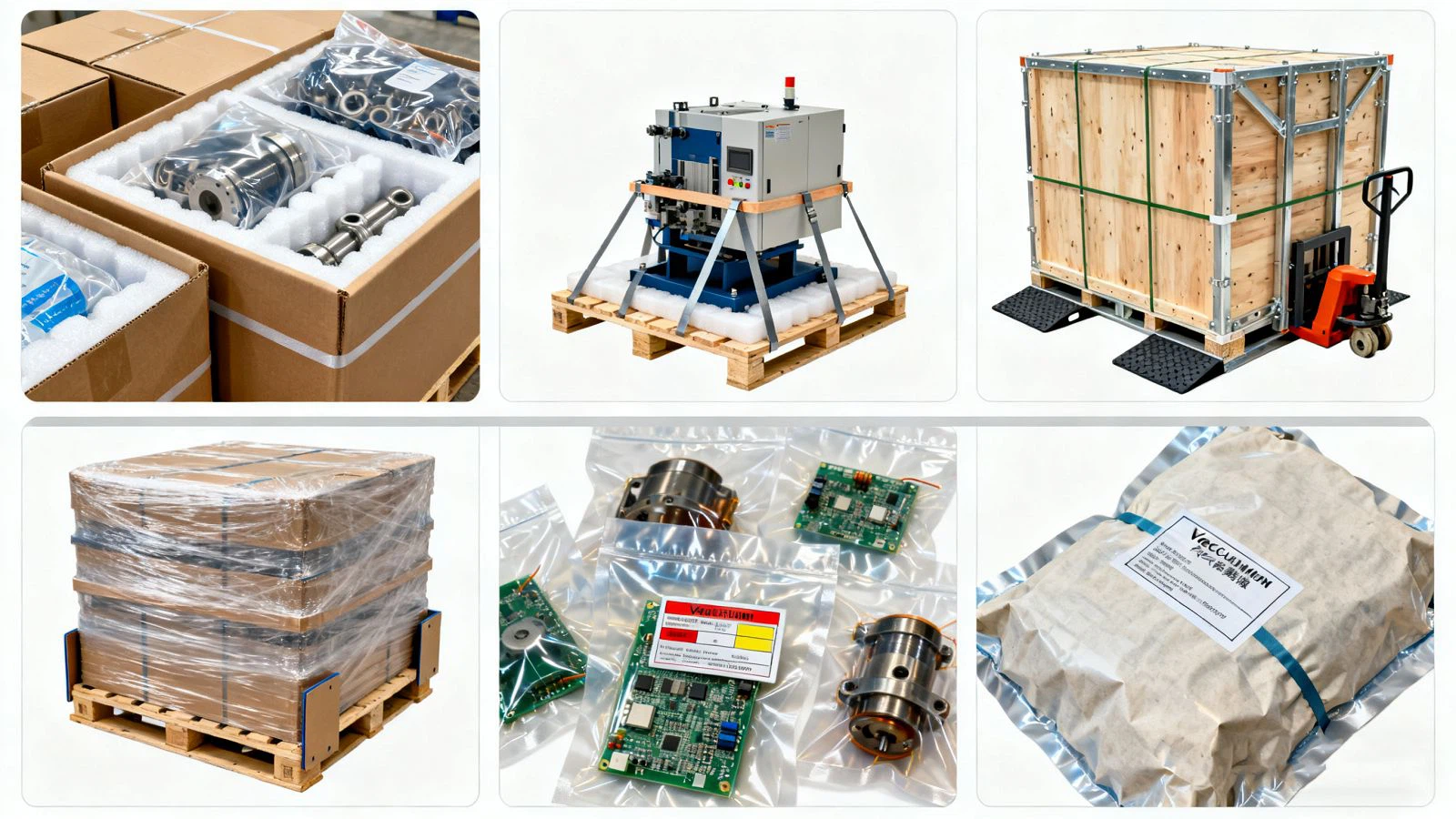
Packaging
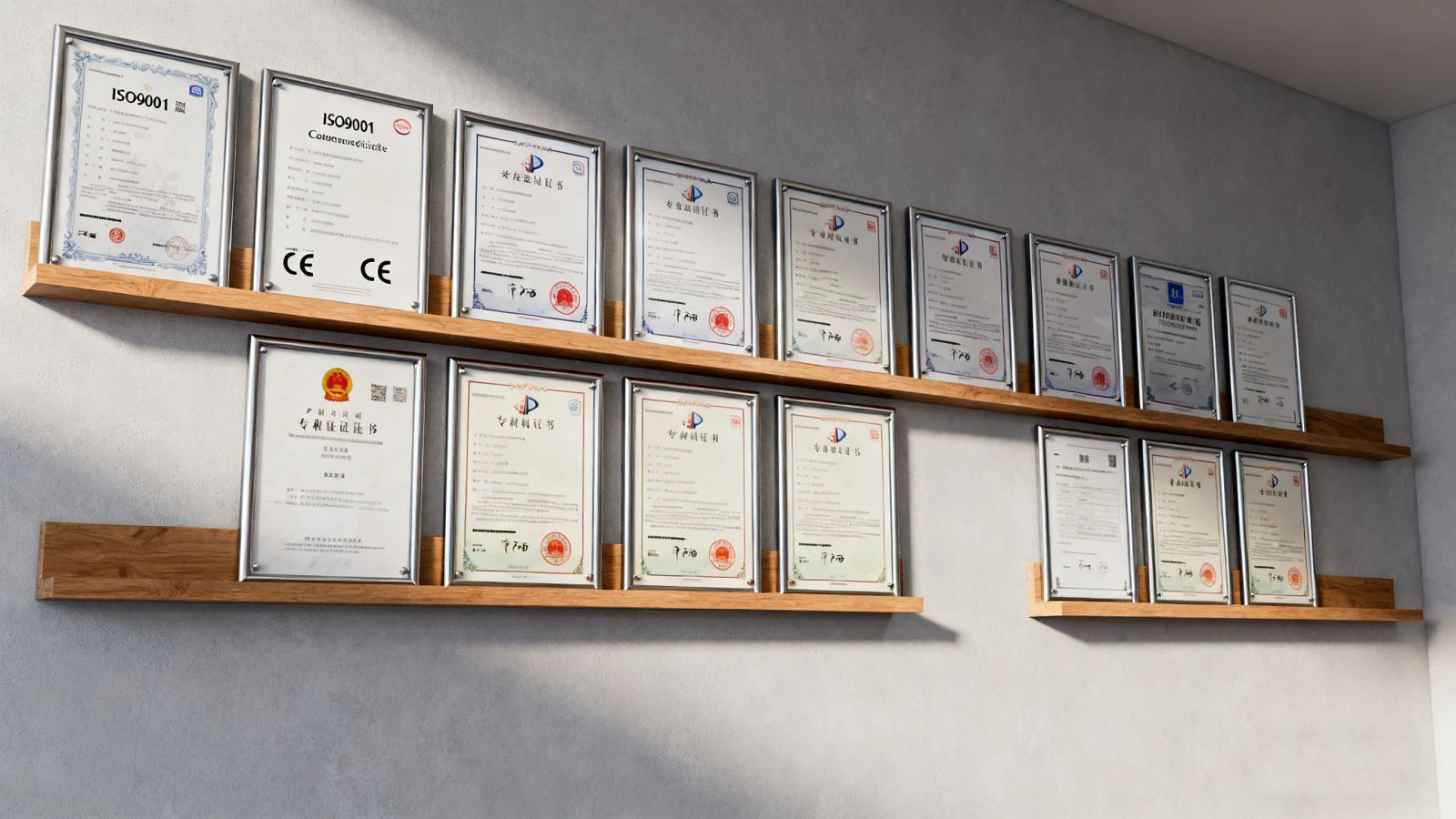
Our Certificate
FAQ
As one of the most reliable forging equipment manufacturers and suppliers in China, we offer a wide range of products with superior quality. Please rest assured to buy high-grade forging equipment made in China here from our factory. Browse our website now.