
Coding and Marking Printers
Your Professional Coding and Marking Printers Supplier!
EO EQUIPMENT is a global supplier of high-quality industrial machinery and equipment, providing comprehensive solutions across construction, cleaning, machine tools, food processing, and packaging sectors. Backed by over 20 years of sourcing and export experience, we connect international buyers with trusted Chinese manufacturers to deliver efficient, customized solutions.


Specification
|
Specification |
Details |
|
Machine Type |
Coding and Marking Printers |
|
Laser Source |
Fiber Laser (solid-state) |
|
Laser Power Options |
20 W / 30 W / 50 W (typical options) |
|
Wavelength |
~1064 nm (infrared) |
|
Marking Area |
70 × 70 mm – 300 × 300 mm (model dependent) |
|
Marking Speed |
Up to ~8,000 mm/s |
|
Repeatability |
±0.01 mm |
|
Minimum Line Width |
~0.01 mm |
|
Cooling Method |
Air cooling system |
|
Control Software |
Compatible with marking software (e.g., EZCAD) |
|
Power Supply |
AC 220 V / 50 Hz |
|
Machine Dimensions |
Varies by model (compact industrial unit) |

Advantages of Coding and Marking Printers
Rapid product coding
Coding and marking printers are designed for high-speed product coding and marking. These machines have a very low downtime, which means they can code for extended periods without excessive human intervention.
Cost-effective ownership
An industry-grade coding and marking printer is built to last. These sturdy industrial equipment meet IP55 and IP65 standards, made to withstand harsh production environments.
Decreased manufacturing waste
Precise ink application results in reduced manufacturing waste. Drop-on-demand printers, use advanced technology to dispense ink only when it is required, which encourages a more eco-friendly marking process. Because icoding and marking printers can mark on different substrates, it eliminates the need for excess labeling materials.
Contact-free application
Coding and marking printers doesn't require contact with a product. This feature makes the application safe for delicate products and goods with uneven surfaces. It is also essential for sterile manufacturers such as the pharmaceutical, medical, and food industries, as it protects the product from potential contamination with consumables.
Enhanced regulatory compliance
It is mandatory to communicate vital product information to consumers, including expiry dates, batch codes, bar codes, ingredients, and various small to large format texts. Coding and marking printers helps you achieve high-quality, readable print that does not fade or smudge.
Stronger brand recognition
These machines are crucial for printing small, medium, and large-format code, graphics, and text. Coding and marking printers dispense heavy pigment to provide premium print results that are readable by humans and machines. Dynamic graphics are extremely useful for elevating your brand identity, as your product packaging is the first point of contact for customers.
User-friendly operations
Coding and marking printers now comes with modern, intuitive features like full-color touchscreen panels and remote control. This allows manufacturers to monitor product coding operations from various points in the production line, minimizing interruptions to the process.
Key Components of Coding and Marking Printers
Printer/Marker Head
The actual device that applies the code.
Controller/Software
Manages data inputs like date, time, variable info, etc.
Sensors and Vision Systems
Optional but useful for validating the code is present and accurate.
Conveyor Integration
To match production line speeds and product sizes.
Types of Coding and Marking Printers
Inkjet Coders
Inkjet coders are devices that use inkjet technology to print identification information on products or packaging materials. Based on the printing technology, they can be further divided into types such as Continuous Inkjet (CIJ) and Drop-on-Demand (DOD).
Large Character Marking (LCM) Printers
LCM printers are a type of inkjet printer specifically designed for industrial applications where large, bold characters need to be printed on porous and non-porous substrates. These printers typically use Drop-on-Demand (DOD) technology, but they are optimized for creating larger print characters, often ranging from 10 mm to 64 mm in height.
Laser Coders
Laser coders operate by directing a high-powered laser beam to etch markings directly onto products. This method allows for precise and permanent coding, even in challenging areas like inclines and spherical surfaces, ideal for environments where durability and legibility are essential.
Thermal Transfer Overprinters (TTO)
TTO printers utilize heat to transfer printed images and text onto product packaging materials, ensuring precision and durability. They are particularly suited for coding flexible packaging materials like films and labels, and find widespread application across industries such as food, cosmetics, and pharmaceuticals.
Dot Peen Marking Machines
Dot Peen Marking Machines, also known as dot pin marking machines, are versatile tools used for direct part marking (DPM) on various materials like metal, plastic, and ceramics.
These machines employ a pneumatically or electronically driven pin to create a series of dots, forming alphanumeric characters, logos, serial numbers, and other identifiers on the surface of the material.
Basic Principles of Coding and Marking Printers
Designing the Code or Mark
Operators or automated systems create the desired label, barcode, or text using specialized software. This step involves selecting fonts, sizes, and data inputs.
Data Integration
The system connects to databases or enterprise systems to fetch real-time data such as batch numbers, expiry dates, or serial codes, ensuring accuracy and consistency.
Material Preparation
The surface to be marked is prepared, whether by cleaning, positioning, or adjusting the material to optimize print quality.
Printing or Marking
The system executes the printing or marking process. For inkjet printers, this involves ejecting ink onto the surface; laser systems use focused beams to etch marks; thermal transfer printers apply heat to transfer ink from ribbons.
Quality Verification
Post-application, systems may include sensors or cameras to verify the clarity, position, and accuracy of the mark, ensuring compliance and reducing errors.
Data Logging & Integration
The system logs the marking data and updates connected enterprise systems, maintaining traceability and records for compliance and analytics.
Food & Beverage
Use-by dates, production codes, nutritional batch IDs
Printed on cans, bottles, cartons, pouches
Pharmaceuticals
Serialization, lot numbers, expiration dates
Strict regulations make accuracy critical
Consumer Goods
Branding, promotional codes, manufacturing info
Applied to labels, boxes, bottles, and tubes
E-commerce & Logistics
Shipping barcodes, tracking numbers, return labels
Print-and-apply systems used on corrugated packaging and mailers

Customized Services
To better meet the diverse needs of different industries and clients, we can customize professional construction machinery solutions based on your specific application scenarios and special requirements. For further information or support, please feel free to contact us.

- Contact Customer Service
- Submit Order
- Obtain a Quote
- Confirm Order
- Arrange Payment
- Track Order
- Receive and Inspect Goods
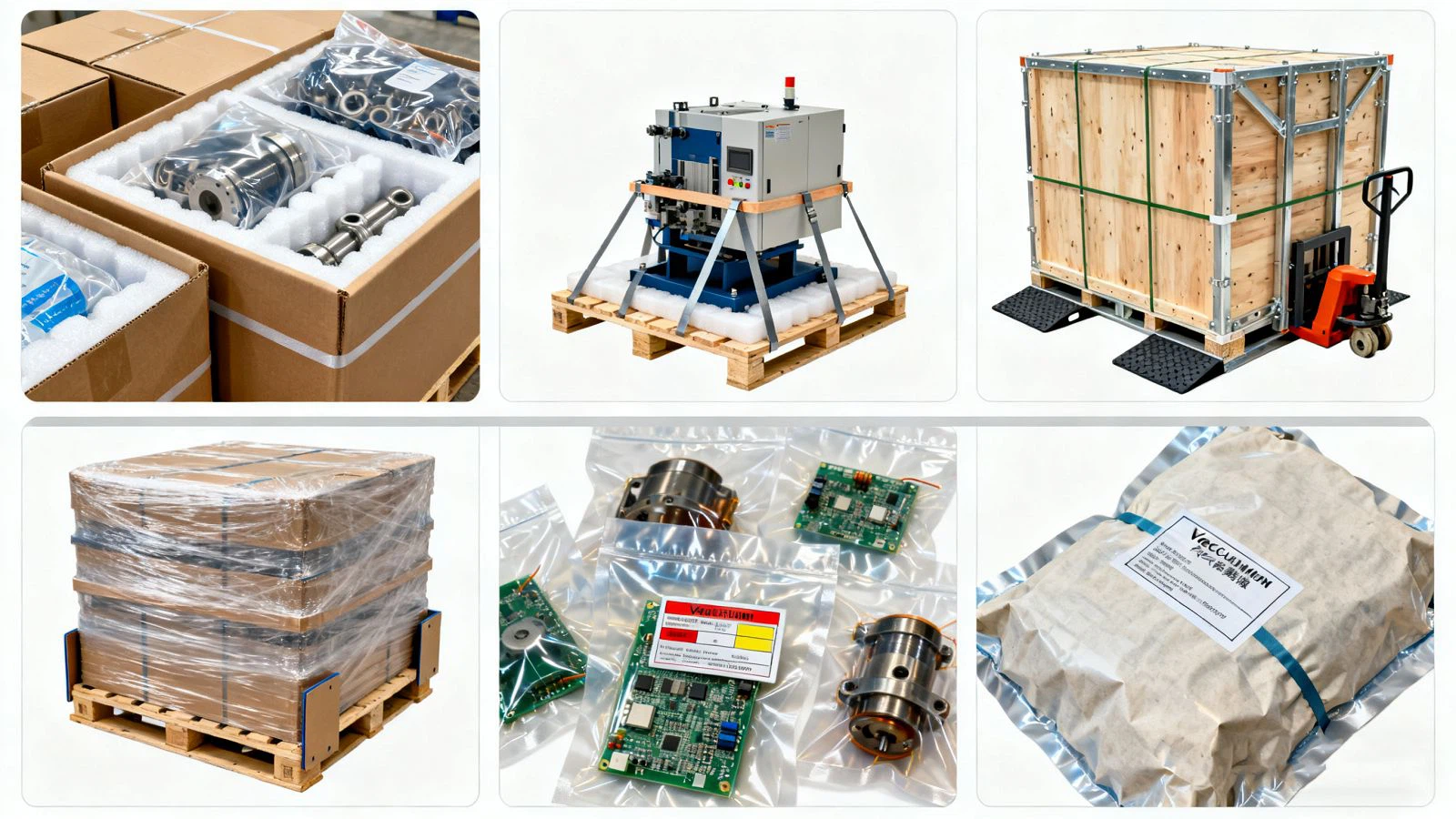
Packaging
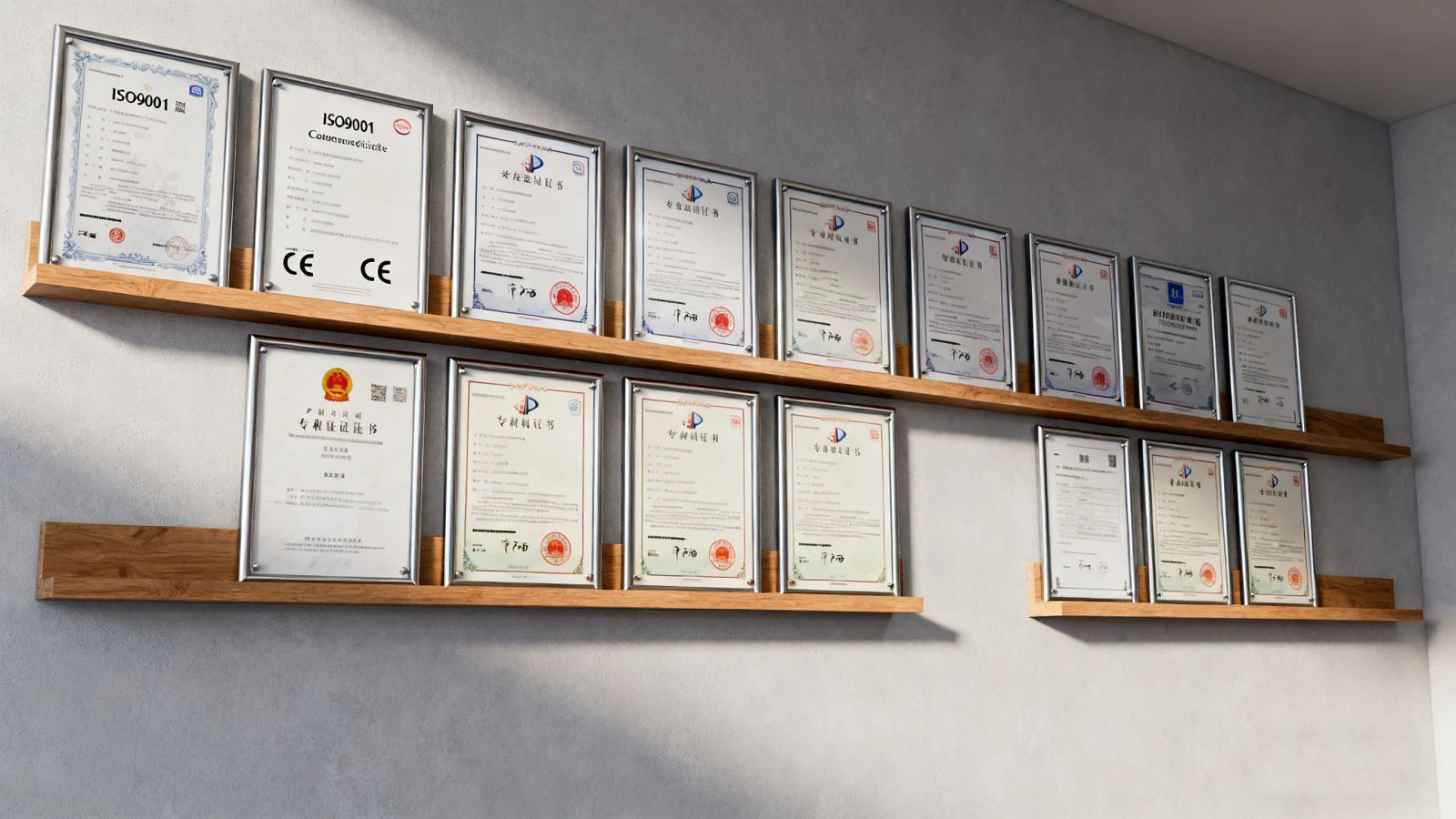
Our Certificate
FAQ
As one of the most reliable coding and marking printers manufacturers and suppliers in China, we offer a wide range of products with superior quality. Please rest assured to buy high-grade coding and marking printers made in China here from our factory. Browse our website now.
Glass Jar Labeling Machine, Laser Plastic Marking Machine, High Speed Laser Bottle Marking Machine